




We live our mission by offering unique quality products
developed for the purpose of activating an inner experience that creates feelings of peace & well being.
Featured Products

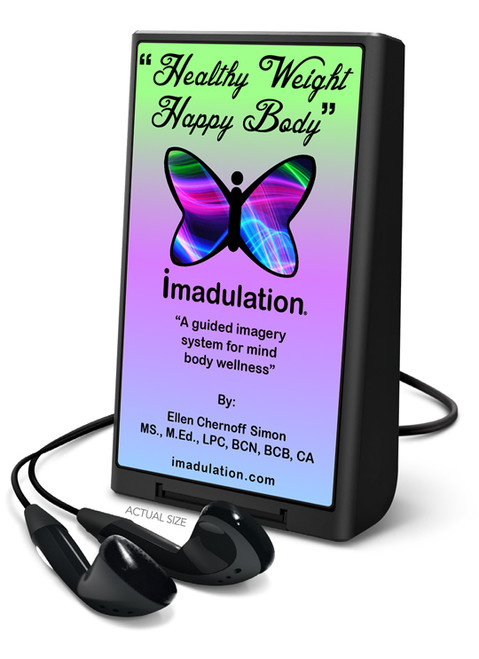

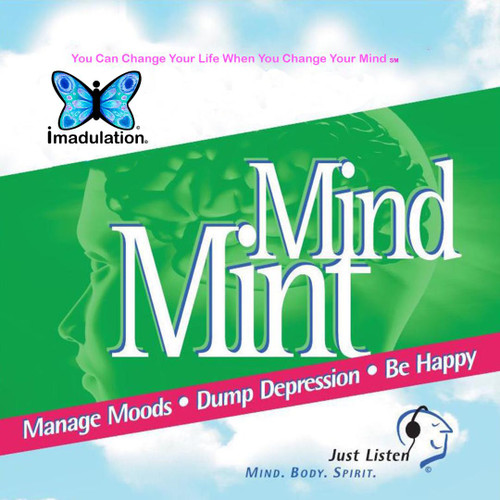


Are you interested in
becoming a distributor
of Imadulation's guided imagery or aromatherapy products?
We would love to hear from you! We are accepting applications for distributors around the globe.
About Imadulation
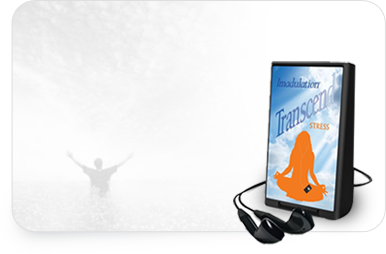
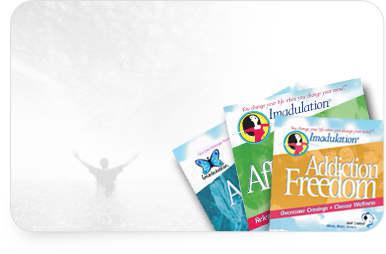
Our products include pre-recorded guided imagery and hypnosis recordings available as MP3 downloads, CD's, and on the Playaway®!
We offer our customers a selection of potent and pure essential oil blends that work synergistically with the guided meditations to enhance your life.
Years of clinical experience have demonstrated that it is often necessary to reduce stress and to ease pain- emotional, physical, or spiritual- in order to experience the natural state of joy & peace.

Client Testimonials
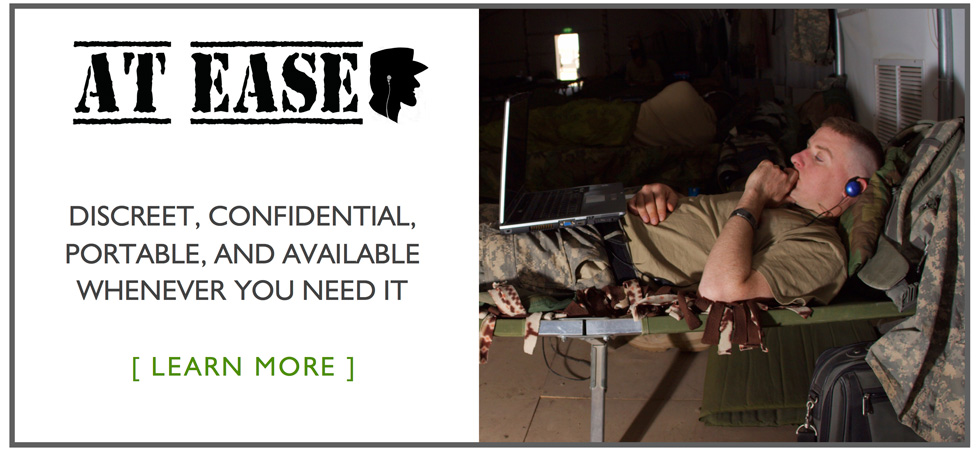
As a Marine Corps veteran, a new father, and a full time student at the University of Texas, I am under a constant mountain of stress. As a result, I have found that it is very hard to fall asleep and stay asleep. However, I have recently discovered a product called "AT EASE" created by Ellen Simon.
- Semper Fi, Shane S.*

If you value quality, drug/supplement free sleep, I highly recommend Ellen’s products. I specifically endorse the “Sleep Well Guided Meditation CD” and “Imadulation Aromatherapy Sleep Well Essential Oil Blend”.
- Anonymous*
As a Marine Corps veteran, a new father, and a full time student at the University of Texas, I am under a constant mountain of stress. As a result, I have found that it is very hard to fall asleep and stay asleep. However, I have recently discovered a product called "AT EASE" created by Ellen Simon.
- Semper Fi, Shane S.*
If you value quality, drug/supplement free sleep, I highly recommend Ellen’s products. I specifically endorse the “Sleep Well Guided Meditation CD” and “Imadulation Aromatherapy Sleep Well Essential Oil Blend”.
- Anonymous*

Meet Ellen Simon
Ellen Chernoff Simon, M.ED., M.S., L.P.C, B.C.B, BCN, CA
A board-licensed psychotherapist who has dedicated her life to empowering others
to reduce stress & suffering, & to increase feelings of peace & happiness.
 imadulation